It expanded
structure
into culture.
Based on real needs. Built from 1.5 years of practice.
School Harmony did not begin as a new program. It evolved. After 1.5 years of implementing Classroom Harmony at Natun Fatasil Town High School, classrooms were becoming calmer — but students moved across spaces. They carried behaviour across corridors, playgrounds, and home environments. The needs of the school were larger.
Alignment at
three levels
Students
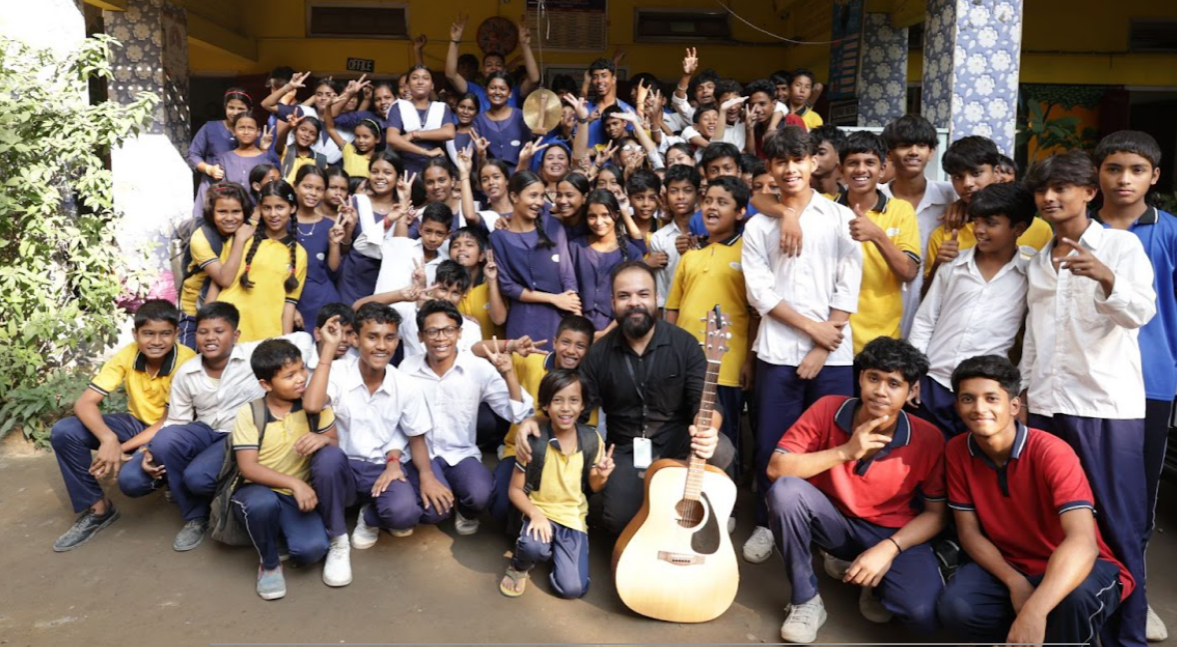
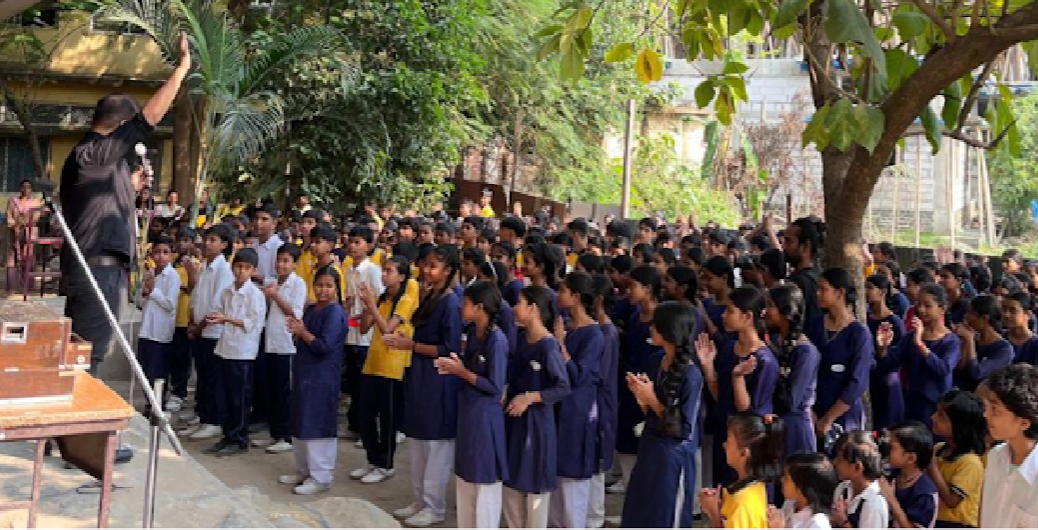
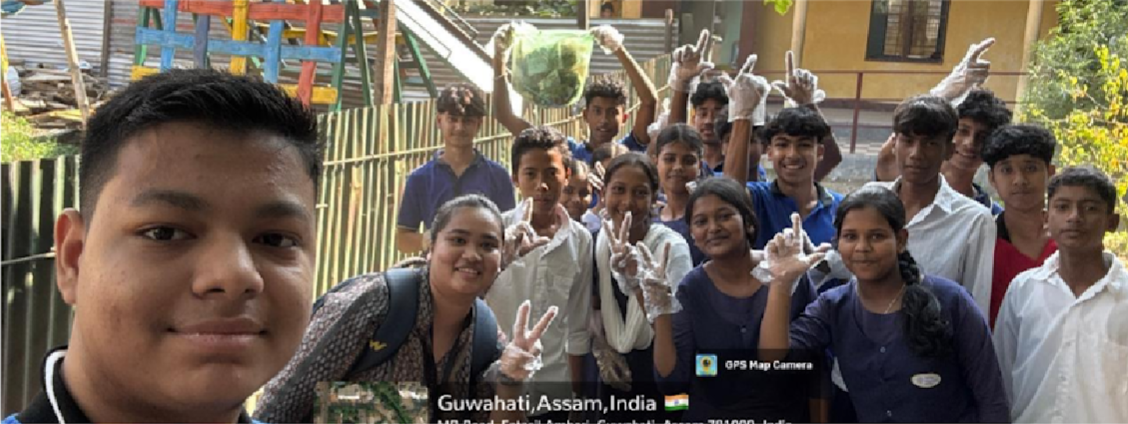
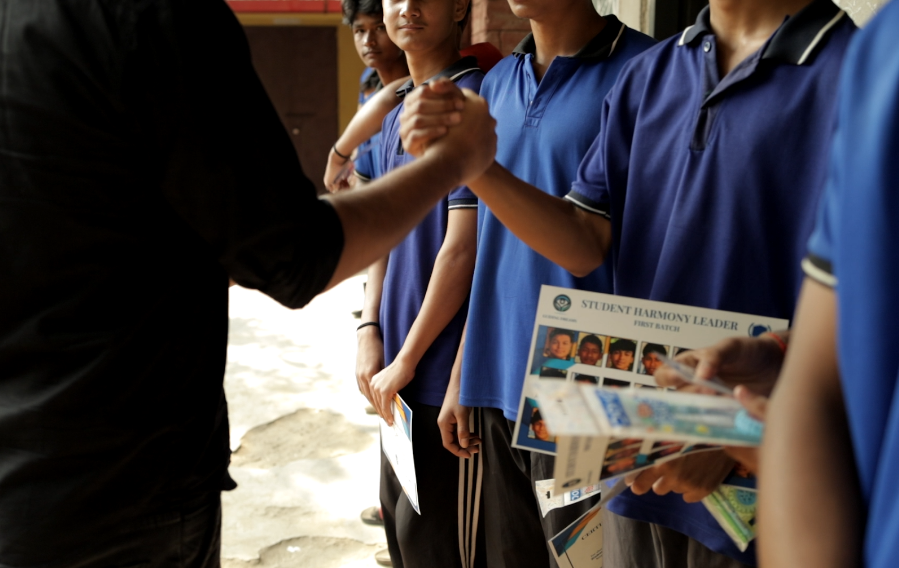
60 student leaders stepped forward — representing every class. They were not chosen to monitor behaviour. They were invited to model responsibility.
60 LeadersTeachers & Staff
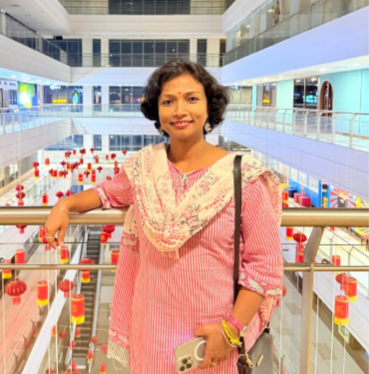
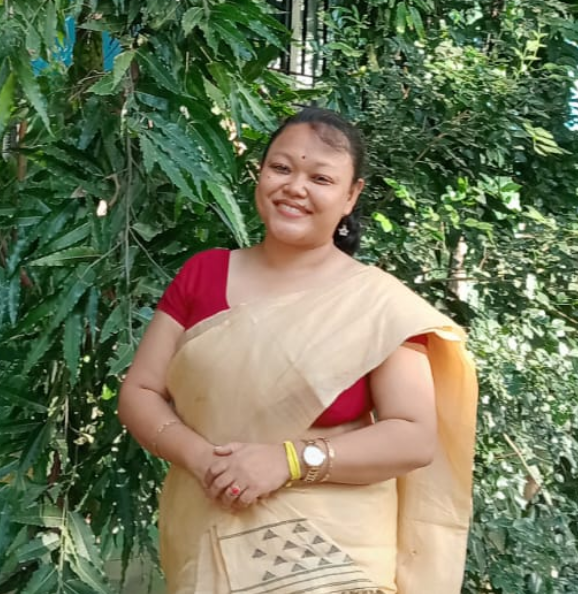
Five Harmony Teacher Leads — Gargi Ma'am, Marami Ma'am, Dikshita Ma'am, Manjumala Ma'am, and Runu Ma'am — held consistency across classrooms. Behaviour language did not change from room to room.
5 Teacher LeadsParents
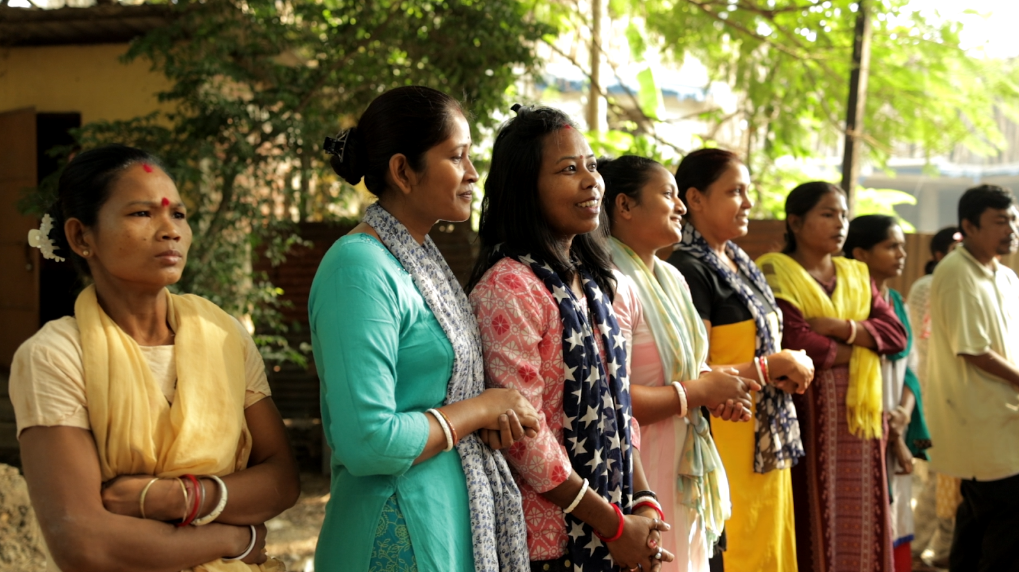
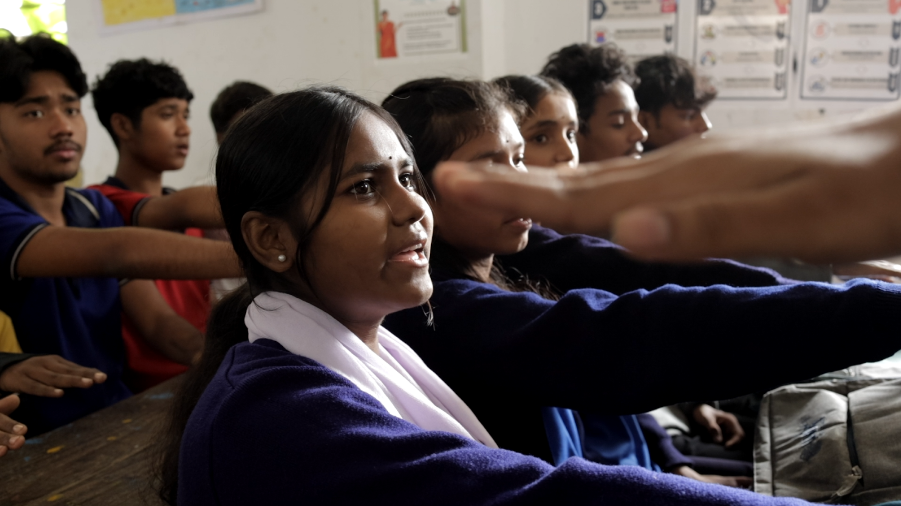
For the first time, parents were included in a School Harmony assembly — not as spectators, but as participants. They listened to students speak about bullying and responsibility. They became part of the dialogue.
First TimeNot chosen to monitor.
Invited to model.
Across the school, 60 student leaders stepped forward — representing every class. During one session on bullying and impact, something powerful happened.
System-designed.
Human-held.
Every system needs a human centre. School Harmony works because it is not only designed on paper — it is held by people, week after week.
Teacher Anchoring
Five Harmony Teacher Leads held consistency across every classroom. Their coordination ensured that behaviour language did not change from room to room — a single shared culture across the school.
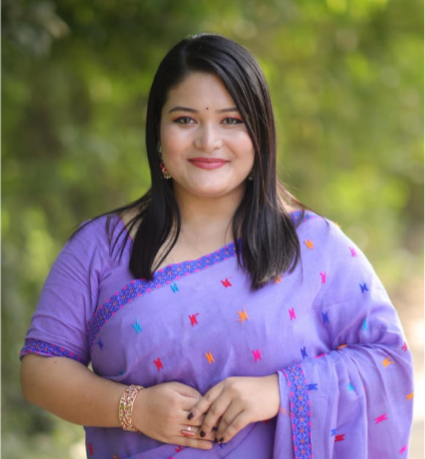

Valentina Ghatak
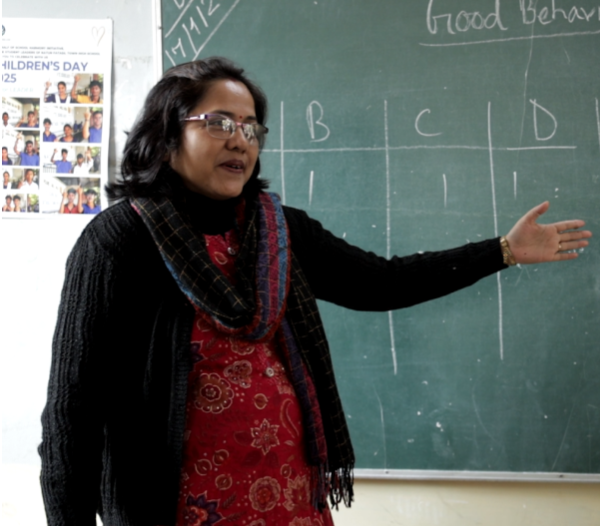
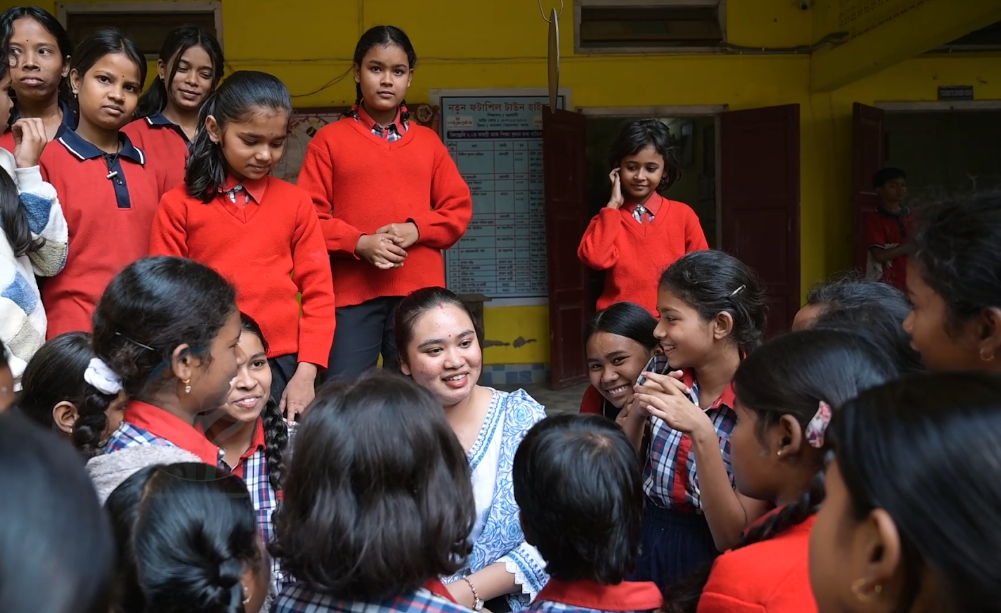
While Classroom Harmony strengthened structure, and School Harmony aligned culture, Valentina ensured something deeper — a constant, consistent safe space for children. She has been present in classrooms week after week: listening, observing, holding space, noticing emotional shifts before they become behavioural disruptions.
Evidence-based.
India-adapted.
School Harmony continues to be guided by research support from the Centre for Public Mental Health (CPMH). Carefully adapted for Indian public school realities — simplified, practical, and aligned with government systems.
The Good Behaviour Game
A structured classroom management approach that uses cooperative team dynamics to build positive behaviour norms — adapted for Indian public school environments.
KiVa Anti-Bullying Frameworks
Inspired by Finland's evidence-based KiVa program — whole-school approaches that shift bystander behaviour and build community accountability around bullying.
Non-Cognitive Skill Development
Building emotional regulation, responsibility, and self-awareness alongside academic learning — skills that determine long-term wellbeing and life outcomes.
School Harmony's design is guided by evidence-based interventions supported by the Centre for Public Mental Health (CPMH). The frameworks are carefully adapted for Indian public school realities — simplified, practical, and aligned with government systems — so they can be delivered by classroom teachers without specialist training.
Formally recognised by
the Government of Assam
The work was formally recognised by the Inspector of Schools in Kamrup (Metro), with support extended to explore implementation in 15 additional government schools.
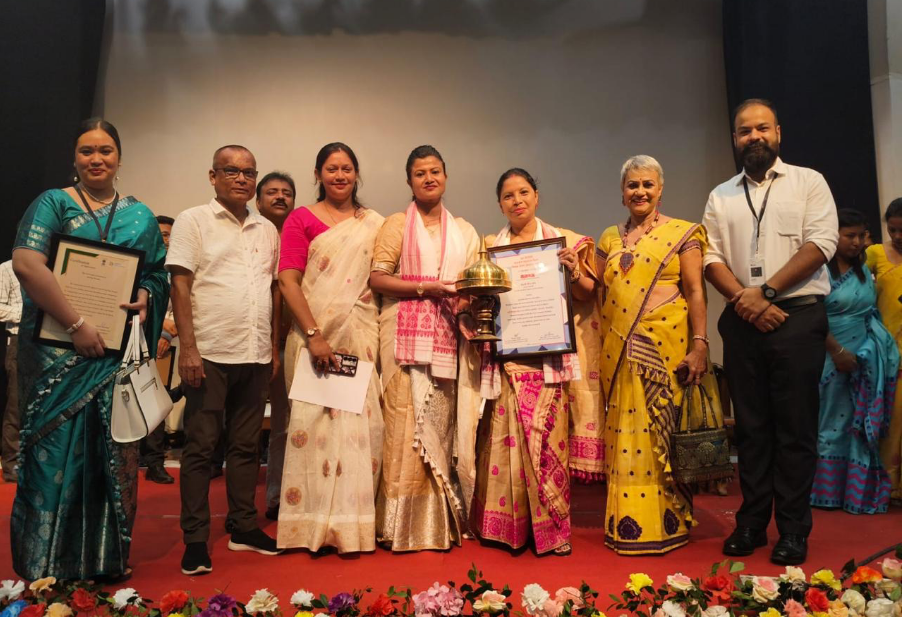
Formal recognition from Kamrup (Metro) district for strengthening classroom culture and student behaviour.
Support extended to explore Phase 2 implementation across 15 additional government schools in Kamrup Metro district.
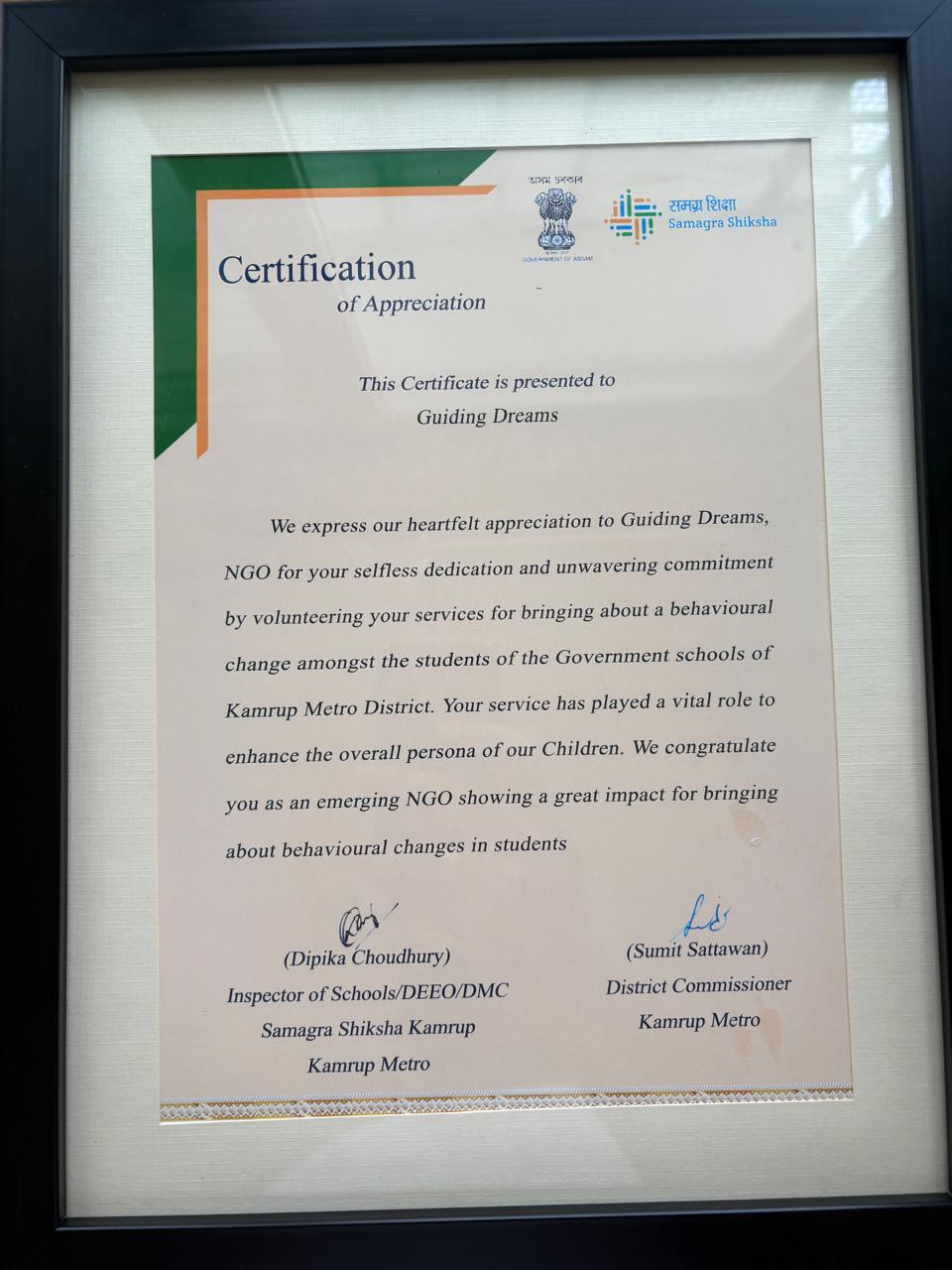
Recognition from Samagra Shiksha Assam for contributions to classroom culture and emotional safety in public schools.
The 2026 documentary captures students speaking honestly, teachers collaborating, and parents included in assembly conversations.
Students speaking.
Teachers collaborating.
Families included.
The School Harmony Documentary (2026) captures this shift — students speaking honestly about bullying, teachers coordinating across classrooms, and parents included in assembly conversations for the very first time.
If you are a school leader looking for culture change that includes families, this model offers that pathway.
